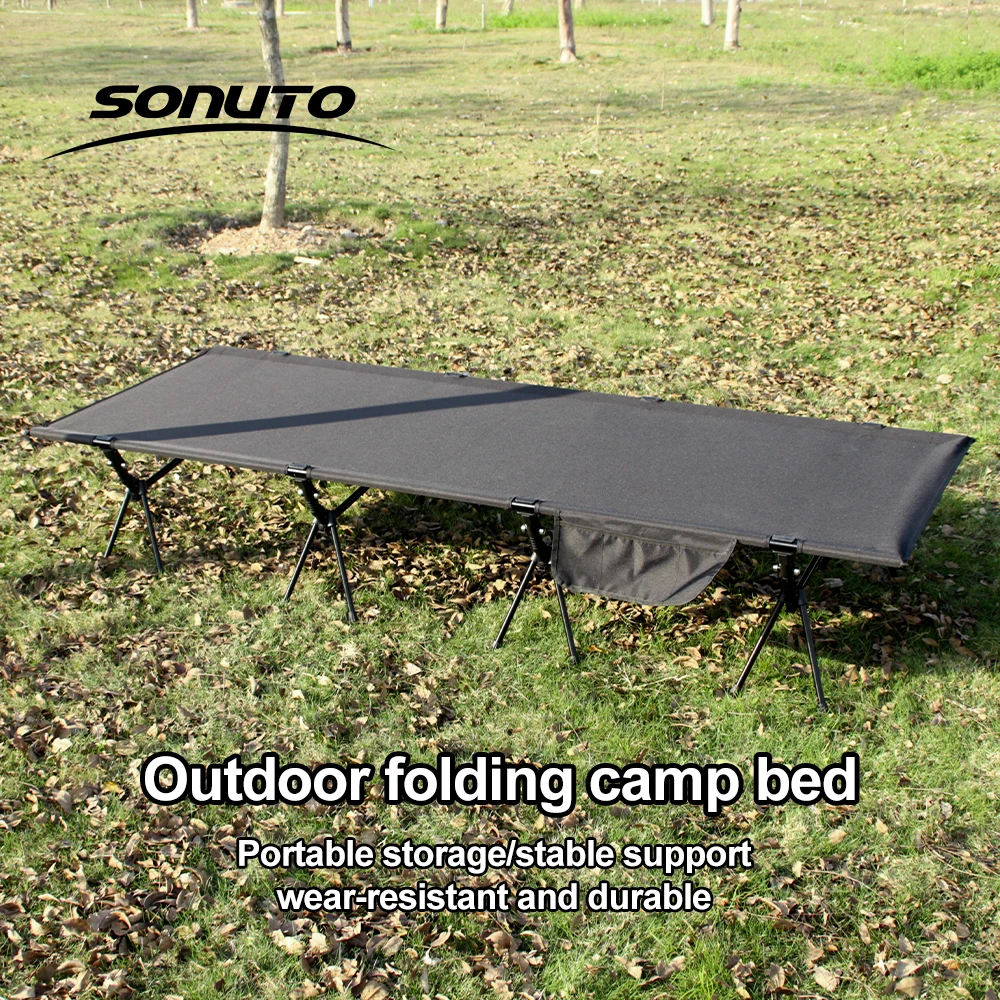
The Mechanics of Ground Sleep: How to Choose a Camping Mattress
Cut through marketing fluff to choose the right camping mattress. Compare thermal R-values, baffle dynamics, and single versus double pad designs.
In this assessment
Purchases through affiliate links may earn The Night Shift commission at no extra cost to the reader. View our affiliate funding policy
Sleeping outdoors fails at the interface between the body and the earth. Campers often blame their sleeping bag when waking up shivering at 3:00 a.m., but the culprit is almost always beneath them. Your body compresses sleeping bag insulation flat, reducing its loft to millimeters. What prevents conductive heat loss to the frozen or damp ground is your camping mattress.
A camping pad is not a luxury accessory; it is a mechanical thermal barrier and a suspension system. Choosing the right pad requires looking past generic descriptions and evaluating three engineering factors: thermal resistance (R-value), chamber architecture, and inflation logistics.
---The Core Physics: What Actually Determines Sleep Quality
Every mattress on the market makes compromises across weight, packed volume, stability, and insulation. Understanding the engineering helps filter out misleading product titles.
1. Conductive Heat Loss and R-Value
The ground possesses massive thermal mass. Without insulation, heat transfers continuously from your core into the dirt via conduction. Thermal resistance in sleeping pads is measured as an R-value. Standardized under ASTM F3340, R-value quantifies how well a pad resists heat transfer under compressive load:
- R-value below 2.0: Strictly warm-weather camping (mid-summer lows above 50°F / 10°C).
- R-value 2.0 to 3.9: Three-season use, capable of handling brisk shoulder-season nights.
- R-value 4.0 to 5.4: Cold-weather and early spring or late autumn camping where frost is expected.
- R-value 5.5+: Severe winter conditions and sub-zero snow camping.
When shopping budget marketplace listings, beware: many pads list an arbitrary number without citing whether it was measured under standardized hot-plate apparatus testing. If a seller lists a high thermal rating without referencing ASTM standards or internal thermal barriers (such as radiant film or micro-insulation), treat the rating with healthy skepticism.
2. Baffle Geometry: Egg-Crate, Tubes, or Diamond Welds
How an air mattress holds air determines spinal support and lateral stability. Long horizontal tubes tend to roll inward under shifting hips. Vertical baffles can feel like small canoes. Dimpled or diamond weld lattices distribute air across isolated pockets, reducing the "waterbed" rebound effect when changing positions.
3. Moisture Ingress and Valve Design
Blowing up a high-volume mattress with your lungs introduces warm, moisture-laden breath directly into the airtight bladder. Over repeated seasons, interior condensation can promote mildew growth and degrade interior thermal laminates. Integrated foot pumps, pump sacks, or miniature electric air inflators eliminate internal condensation and save lung capacity at high elevation.
---Market Options: Four Configurations Analyzed
Below is an analysis of four distinct configurations commonly found on marketplace listings, ranging from cold-weather single air pads to tandem camp beds and support gear.
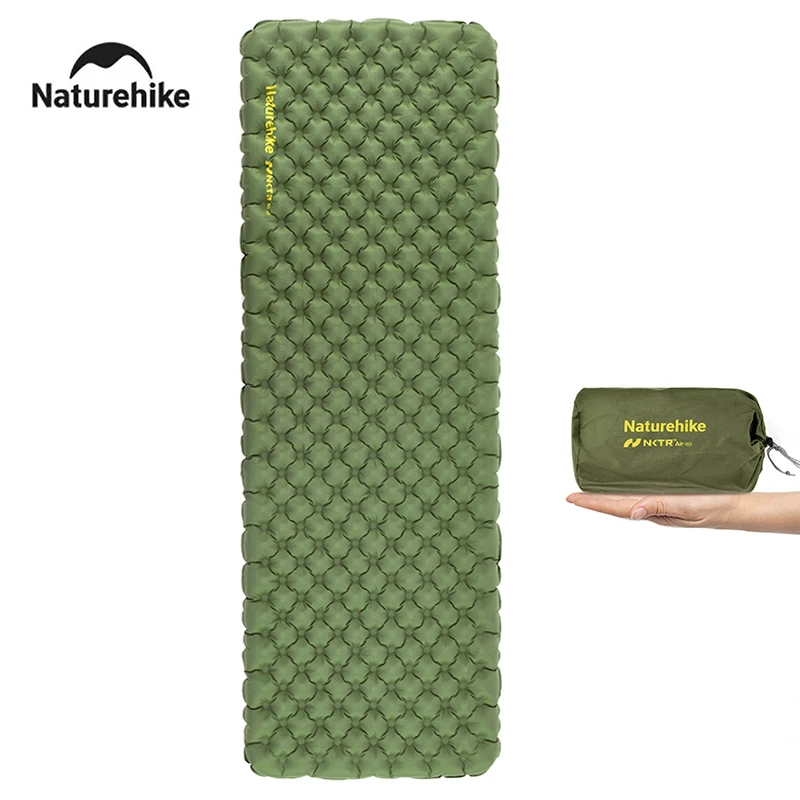
1. High-Insulation Ultralight Single Pad
Design Intent: Low pack volume with cold-weather insulation claims.
The Naturehike listing advertises an R-value of 4.6 alongside an ultralight, packable footprint. In camping pad design, achieving a genuine 4.6 R-value requires either internal synthetic micro-fiber filling or reflective metallic thermal layers inside the baffles to halt radiant and convective air movement inside the chamber.
- Best suited for: Fast-and-light backpackers and shoulder-season hikers attempting to minimize pack weight without sacrificing ground insulation.
- Critical considerations: The seller listing specifies an R-value of 4.6, but buyers should verify whether this figure is ASTM F3340 tested or an in-house estimate before relying on it for freezing alpine expeditions. Additionally, ultralight face fabrics require a clean tent floor free of thorns and sharp granite edges.
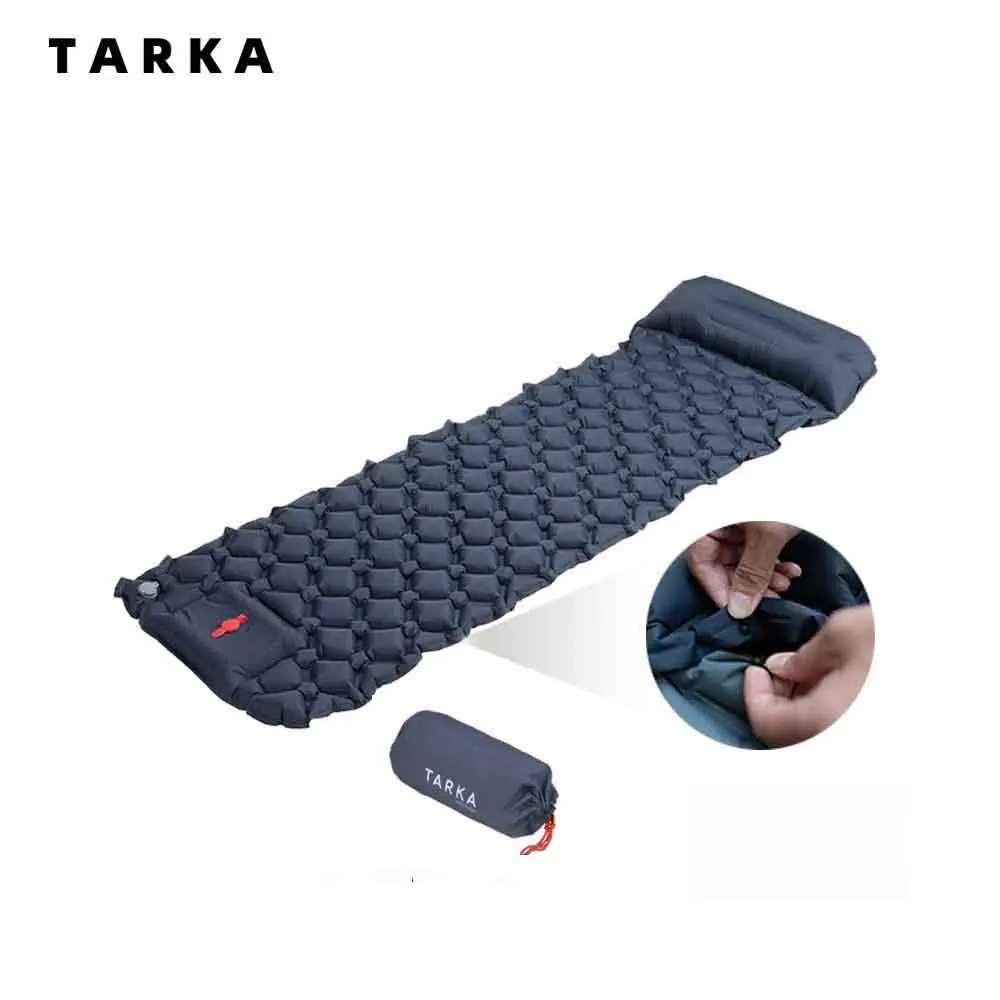
2. Budget Self-Inflating / Built-In Pillow Air Mat
Design Intent: Casual three-season recreation and warm picnic bivouacs.
The TARKA mat is targeted at lightweight weekend trips. The title claims both an "inflatable" design with an integrated pillow and "self-inflating" attributes. In gear terminology, genuine self-inflating pads rely on open-cell internal foam cores that expand when the valve opens. Pure air cushions, conversely, require manual inflation or an integrated foot/hand pump.
- Best suited for: Warm summer camping, car campers who prioritize low initial investment, or casual backyard overnights.
- Critical considerations: Integrated air pillows are fixed in height. If you sleep on your side and require specific cervical alignment, rigid attached air pillows can feel overinflated or push your head too far forward. Verify the valve dimensions and whether an open-cell foam core is actually present if true self-inflation is expected.
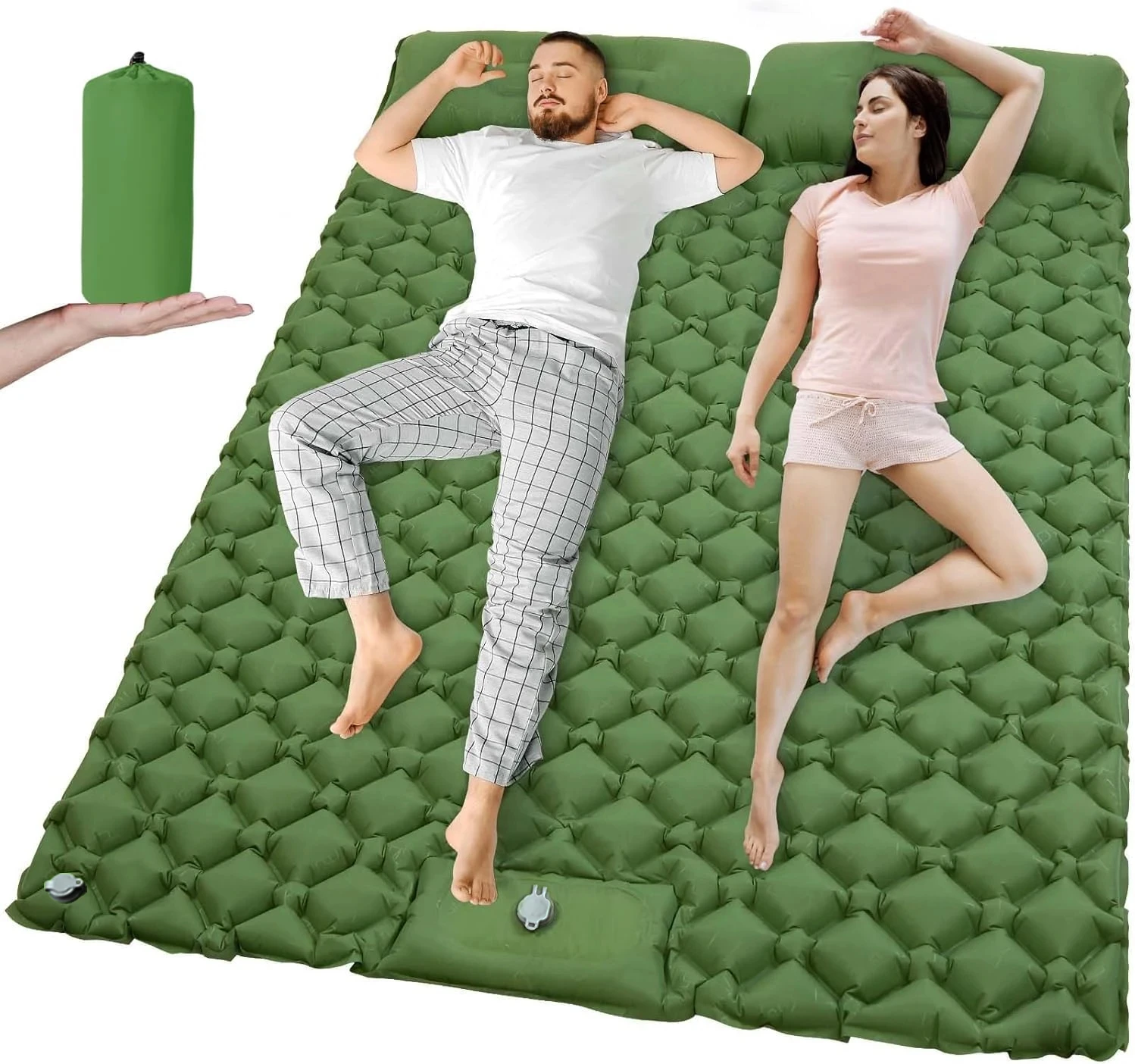
3. Extra-Wide Double Sleeping Pad
Design Intent: Shared tent floor coverage for couples or vehicle-based camping.
Double-wide sleeping pads bridge the annoying gap between two individual mattresses that constantly slide apart in the night. The Stone's Store double pad listing features a wide diamond-weld baffle layout, dual integrated headrests, and a low-profile foot-pump chamber at the base.
- Best suited for: Car camping, van layouts, and paired tent camping where a consolidated sleep footprint is preferred over individual gear.
- Critical considerations: A shared air bladder means kinetic transfer: when one sleeper tosses or turns, the displaced air will jostle the other. Furthermore, in cold weather, large uninsulated double mattresses contain a high volume of cold air that rapidly leeches body heat. For temperatures dipping toward freezing, an auxiliary closed-cell foam pad underneath is strongly recommended.

4. Supporting Gear: Wireless Mini Inflator / Deflator
Design Intent: Fast inflation, vacuum pack-down, and prevention of internal moisture build-up.
Blowing up an extra-wide double mattress or multiple individual mats manually takes substantial time and deposits moist air inside the seams. This compact 1200mAh USB-rechargeable inflator acts as a support accessory, offering universal nozzle adapters to suit common flat, one-way, and double valves.
- Best suited for: High-volume dual pads, family camp setups, and preventing breath moisture inside cold-rated pads.
- Critical considerations: Low-pressure mini blowers deliver high airflow volume (CFM) to erect the structure, but rarely supply the final high PSI needed for firm lateral support. Expect to top off the last 5% with one or two manual breaths or pump presses. Verify nozzle diameter compatibility with your mattress valve before heading into the backcountry.
Comparative Architecture Matrix
| Mattress Type | Primary Advantage | Primary Vulnerability | Recommended Conditions |
|---|---|---|---|
| Insulated Single Air Pad | Maximum thermal barrier relative to pack weight | Puncture risk; unverified R-value claims | Backpacking, shoulder-season trails, chilly terrain |
| Lightweight Summer Pad | Low cost, minimal bulk, quick setup | Poor thermal retention on cool or wet ground | Mid-summer camping, festivals, mild picnics |
| Double Tandem Air Pad | No center gap; wide shared footprint | Motion transfer between sleepers; bulkier pack size | Car camping, SUV sleeping, warm couple trips |
| Rechargeable Air Pump | Zero lung effort; prevents internal mold growth | Battery dependency; cannot reach high rock-firm PSI | High-capacity camp beds and double air mattresses |
Pre-Purchase Inspection: Questions to Ask the Listing
Because budget marketplaces aggregate items with ambiguous titles, do not rely on product titles alone. Check the seller's detailed listing or ask these direct verification questions before purchasing:
- Is the R-value ASTM certified? If a pad claims an R-value above 3.5 at a bargain price, inspect the description for mention of ASTM F3340 testing or interior reflective foil (such as TPU film layers). An uninsulated hollow air cavity rarely exceeds an R-value of 1.5.
- What is the valve system standard? Look for a dual-deck flat valve (one layer for one-way air intake, a wide dump port for rapid deflation). Friction-fit plastic plug valves are prone to popping open under sudden hip pressure.
- What fabric denier is used? Lightweight backpacking pads commonly use 20D to 40D nylon or ripstop polyester. Anything under 30D requires rigorous site clearing and a reliable ground sheet to prevent micro-punctures.
- Does the package include adhesive patches? Never take an inflatable mattress into the backcountry without testing it at home on a clean floor for 12 hours first, and ensure a field repair kit (TPU adhesive patches) is packed inside the stuff sack.
Match the mattress strictly to the lowest expected ground temperature of your route. A sleeping mattress is primarily life-support gear against thermal depletion; comfort is merely the welcome byproduct of getting the physics right.